
Key Takeaways:
- Building on sloped land is possible with the right planning and expertise.
- Soil conditions, drainage, and site access play a major role in success.
- Sloped lots offer unique design opportunities.
- Costs may be higher upfront, but they often contribute to long-term value.
- Working with experienced Colorado home builders helps reduce risk and improve outcomes.
A hillside lot has a way of standing out. In Colorado, where scenic views and varied terrain are part of the appeal, sloped land often feels like the perfect place to build a custom home.
Then the questions start: Is it even possible to build here? What will it cost? Are there risks that could turn this into a complicated project?
The short answer is yes, you can build on sloped land. But success depends on how well the site is understood and how early the right team gets involved. In this guide, we’ll cover what to expect and how an experienced Colorado home builder turns a complex lot into a well-designed home.
Is It Possible to Build on Sloped Land?
Building on a slope is not unusual, especially in areas like Colorado. What matters most is how steep the lot is and how the site conditions are managed.
Several factors influence what is possible:
- The degree of the slope
- Soil composition and stability
- Access to the building site
- Local zoning and building requirements
A gentle slope may require only minor adjustments during construction. A steeper lot often involves more complex engineering and design decisions.
This is where Colorado home builders play a key role. Early site evaluation helps identify what is realistic and how to approach the project correctly.
Understanding the Challenges of Sloped Lots
Building on a sloped lot introduces additional considerations that go beyond a typical flat-site build. These are not barriers, but they do require thoughtful planning from the start.
Soil Conditions and Stability
Every successful build starts with understanding the ground beneath it. On a sloped lot, soil conditions play an even bigger role in long-term performance.
A geotechnical report evaluates soil stability and the risk of shifting, settlement, or erosion. This information directly influences the type of foundation used and how the structure is supported over time.
For example, if testing reveals loose or expansive soil, the design may require reinforced footings or specialized foundation systems to maintain stability.
Drainage and Water Management
Water naturally flows downhill, which means drainage planning is critical on any sloped property.
Without proper grading and drainage systems, water can collect near the foundation or move toward the home during heavy rain. Over time, this can lead to structural issues or moisture intrusion. According to the Insurance Information Institute, water-related damage is one of the most common and costly issues for homeowners.
A well-designed site plan accounts for runoff, directs water away from the structure, and protects the home throughout seasonal changes.
Site Access and Construction Logistics
Sloped lots can make the construction process more complex. Equipment access may be limited, and staging materials on uneven ground often requires additional coordination.
In some cases, builders may need to use smaller equipment or phase deliveries to work within the site’s constraints. For example, a narrow or steep lot might require materials to be delivered in stages rather than all at once, which can impact both scheduling and labor.
These factors do not prevent construction, but they do influence how the project is planned and executed.
Zoning and Building Regulations
Many municipalities have specific guidelines for building on sloped or hillside lots. These regulations are designed to protect both the property and the surrounding environment.
Requirements may include limits on grading, restrictions on building height, or rules around drainage and erosion control. These guidelines help you avoid delays and keep the project aligned with local codes.
Design Opportunities That Come with Sloped Land
While there are added considerations, sloped lots also open the door to design possibilities that flat land cannot offer.
Walkout Basements and Multi-Level Layouts
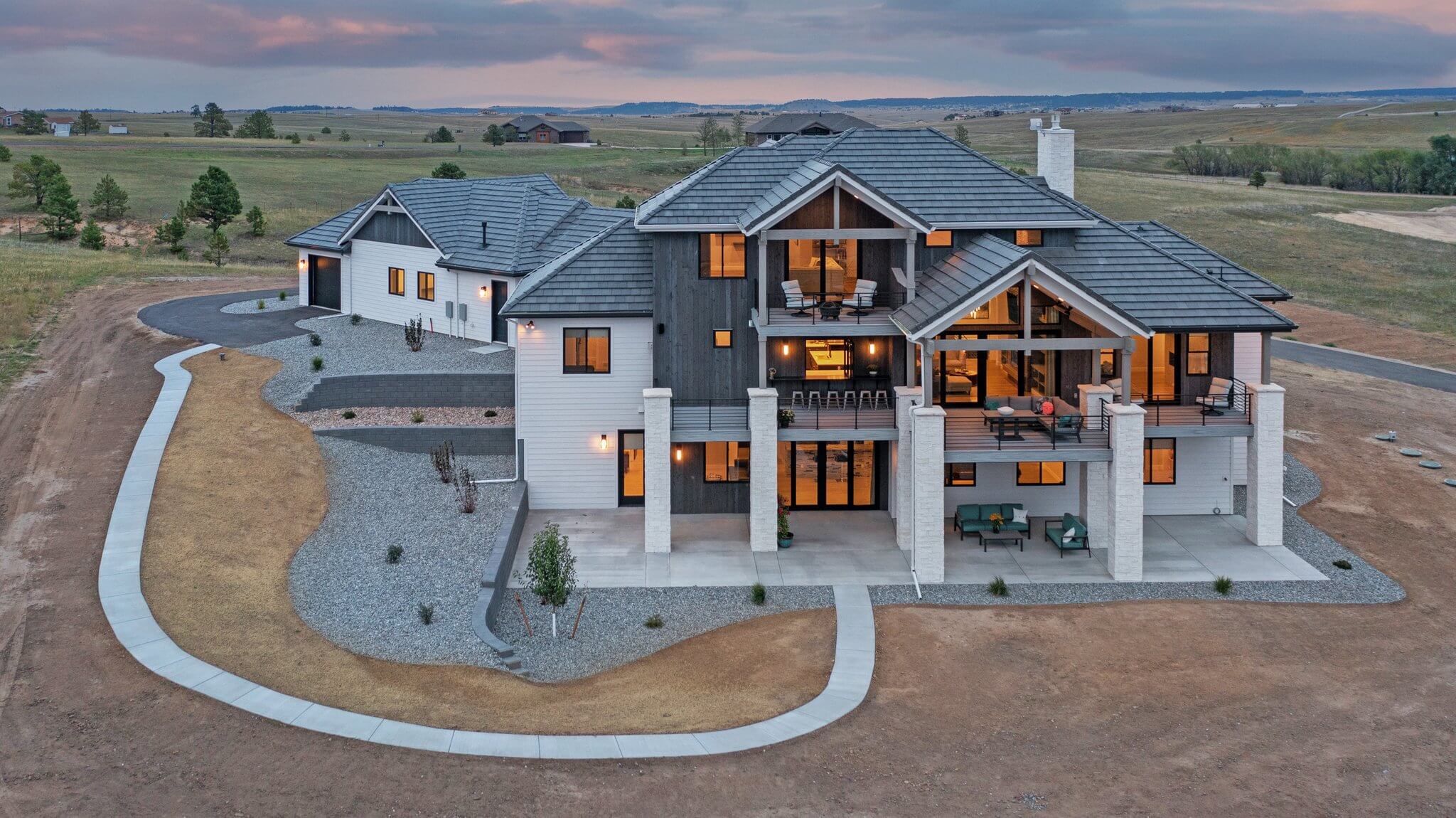
One of the biggest advantages is the ability to incorporate a walkout basement. Instead of a traditional lower level, you can create additional living space that opens directly to the outdoors.
This can include guest suites, entertainment areas, or even home offices that feel connected to the surrounding landscape.
Elevated Views and Natural Light
Sloped lots often provide better sightlines and more opportunities for natural light. Strategic window placement can highlight views while bringing more sunlight into the home throughout the day.
This can enhance both the look and the feel of the space.
Unique Architectural Design
Building on a slope encourages creative design. Homes can be built to follow the natural contours of the land, creating a more integrated and visually interesting result.
Instead of forcing a standard layout onto the property, the design works with the terrain.
Cost Considerations When Building on a Slope
It is important to know that building on sloped land often comes with higher upfront costs. The key is knowing where those costs come from and how they contribute to the overall project.
Site Preparation and Excavation
Preparing a sloped lot may involve grading, excavation, and retaining walls. These steps create a stable base for construction and help manage water flow across the property.
Foundation Systems
Flat lots typically use standard foundations. Sloped sites may require stepped foundations, piers, or other engineered systems designed to support the structure on uneven ground.
Utility Installation
Running utilities such as water, sewer, and electrical lines can be more complex on a slope. The distance, elevation, and layout of the land all play a role.
Long-Term Value
While upfront costs may be higher, many homeowners find that the benefits outweigh the investment. Homes on sloped lots often stand out in the market due to their views, layout, and overall design.
Why the Right Builder Makes All the Difference
Not every builder has experience working with sloped terrain. This is one of the most important factors in determining how smoothly the project goes.
1. Experience with Sloped Sites
Builders who have worked on similar lots understand the challenges and how to address them early. This reduces surprises during construction.
2. Coordinating Engineering and Design
Building on a slope requires collaboration between builders, architects, and engineers. A well-coordinated team can create a design that works with the land instead of against it.
3. Avoiding Costly Mistakes
Early decisions have a lasting impact. Choosing the right foundation approach, properly planning drainage, and thoroughly evaluating the site can prevent costly issues later.
Conclusion: Build the Right Way from the Start
Building on sloped land adds complexity but also creates unique opportunities. The outcome depends on how well the site is evaluated and how early the right decisions are made.
If you are considering building on sloped land in Colorado, the next step is a professional site evaluation. Schedule a consultation with Murphy’s Custom Homes to understand what is possible and plan your build with confidence.
FAQs: Building on Sloped Land
1) Can you build a house on a steep slope?
Yes, but steeper slopes typically require more advanced engineering, specialized foundations, and additional planning.
2) Is building on a slope more expensive?
In most cases, yes. Costs are higher due to excavation, foundation work, and drainage systems.
3) What type of foundation is used on sloped land?
Common options include stepped foundations and pier systems, depending on the site conditions.
4) Do sloped lots have drainage issues?
They can if not properly designed. Professional grading and drainage solutions are essential to protect the home.
5) Are sloped lots a good investment?
They can be, especially for homeowners who value views, privacy, and a more distinctive home design.