
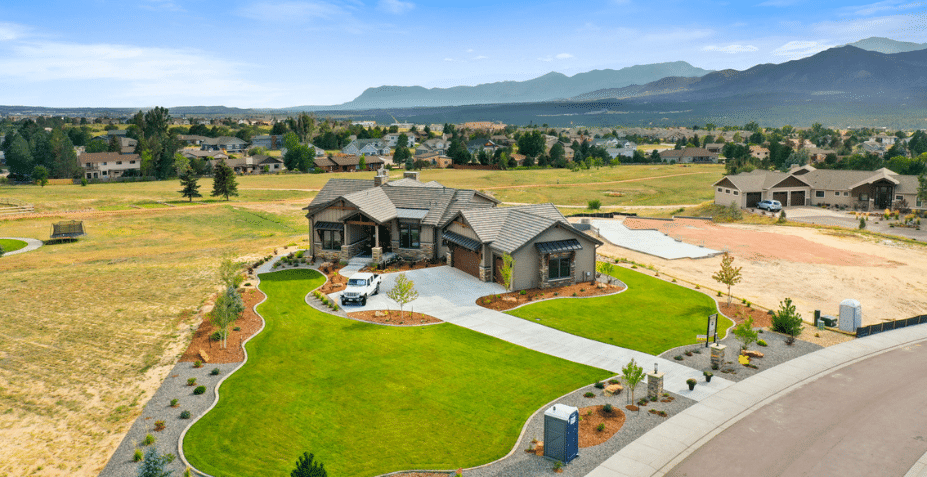
Key Takeaways:
- The best time to build a house in Colorado depends on site conditions, weather patterns, and project complexity.
- Spring and summer offer ideal conditions for excavation and framing, but demand and pricing are often higher.
- Fall can provide scheduling advantages, though weather shifts may impact timelines.
- Winter builds are possible but require planning for cold temperatures, snow, and material delays.
- Starting the planning process early helps align design, permitting, and construction with optimal seasonal timing.
Building a home in Colorado offers a rare opportunity to shape a space around mountain views, changing seasons, and a landscape that feels distinctly your own. But timing plays a bigger role than many homeowners expect.
According to the National Association of Home Builders, construction timelines and costs continue to shift based on labor availability, material lead times, and regional conditions. In Colorado, where weather and local factors add complexity, those variables can have a greater impact.
So, when is the best time to build a custom home in Colorado? The answer depends on more than just the calendar. In this guide, we break down:
- How each season affects the construction process
- The advantages and trade-offs of building in spring, summer, fall, and winter
- Key factors that influence timing beyond weather
- How to plan your build timeline with experienced Colorado home builders
How Colorado’s Climate Affects Construction Timing
Colorado’s climate is one of the biggest factors influencing when to start building. Conditions can change quickly, and elevation, terrain, and seasonal patterns all shape how a project progresses.
Why Does Colorado’s Weather Make Timing More Complex?
Colorado is known for rapid weather changes. A clear morning can turn into snow or high winds by the afternoon, especially at higher elevations. These shifts can slow outdoor work and affect scheduling across multiple trades.
Colorado home builders plan for these patterns when setting timelines. Even so, unpredictable weather requires flexibility throughout the project.
How Do Freeze-Thaw Cycles Affect Home Construction?
Freeze-thaw cycles impact soil stability and excavation. When the ground freezes, digging and foundation work become more difficult and may require additional equipment or preparation.
Starting excavation during milder conditions helps reduce delays and supports a more efficient early phase of the build.
Why Do Regional Differences Matter When Planning a Custom Home Build?
Conditions vary widely across Colorado. Mountain lots may see late snow into May or June, creating shorter build windows. Plains or city lots, such as those in Colorado Springs, often allow for earlier starts and more consistent progress.
These differences influence permitting timelines, scheduling, and how projects are built. Understanding local conditions helps set realistic expectations and supports a smoother building process.
Spring: A Popular Starting Point
Spring is often considered one of the best times to begin building a custom home in Colorado. As temperatures rise and snow begins to melt, conditions become more favorable for excavation and foundation work.
Advantages of Building in Spring
Starting in the spring allows construction crews to break ground when the soil is thawing and more workable. This makes it easier to pour foundations and begin framing without the complications of frozen ground.
Longer daylight hours also support steady progress. With more usable working time each day, projects can move through early phases more efficiently.
A spring start also allows key milestones, such as framing and roofing, to take place during the more stable summer months. This can help reduce weather-related delays later in the project.
Trade-Offs to Consider
Spring weather in Colorado can still be unpredictable. Late snowstorms and heavy rain may temporarily slow progress, especially at higher elevations.
Spring is also a busy season for custom home builders. Increased demand can affect scheduling for both general contractors and subcontractors. Planning ahead becomes especially important when targeting a spring start date.
Building in Summer: Ideal Conditions with Higher Demand
Summer is typically the most active season for home construction in Colorado. Warmer temperatures and longer days allow projects to move forward more consistently.
Advantages of Building in Summer
Consistent weather supports steady progress across major phases of the build. Framing, roofing, and exterior work can often be completed more efficiently without delays caused by snow or frozen ground.
Longer daylight hours give crews more time on-site, helping maintain momentum and keep schedules aligned. Summer conditions are especially beneficial for exterior finishes and structural work, where stable temperatures support quality and durability.
Trade-Offs to Consider
Because summer is the peak construction season, demand for labor and materials is often at its highest. This can affect availability, timelines, and, in some cases, pricing.
Afternoon storms are also common in parts of Colorado, particularly in mountainous areas. While typically brief, they can still interrupt work schedules and require adjustments to daily planning.
Finally, due to high demand, securing a Colorado home builder for the summer often requires booking well in advance.
Building in Fall: A Strategic Window for Efficiency
Fall marks the transition between the peak building season and winter conditions. For some homeowners, it can provide the opportunity to begin construction with greater scheduling flexibility.
Advantages of Building in Fall
Contractor availability may improve as summer projects wrap up, making it easier to secure a preferred builder or begin work without extended lead times.
Cooler temperatures also create comfortable working conditions for crews, supporting steady progress during early construction phases. Fall can be an effective time to complete site preparation, foundations, and initial framing before winter sets in.
Trade-Offs to Consider
The weather becomes less predictable as the season progresses. Early snow and colder temperatures can affect exterior work and limit the window for certain activities. Shorter daylight hours may also slow the pace of construction compared to summer months.
Projects that begin in the fall often need to plan for a transition into winter conditions, especially for unfinished exterior work.
Building in Winter: Is It a Viable Option?
Winter construction in Colorado is possible, but it requires thoughtful planning and realistic expectations. While some phases are more challenging, others can continue with minimal disruption.
Advantages of Building in Winter
Builder availability may be higher during the winter months, as fewer projects begin then. This can provide greater scheduling flexibility and enable closer coordination throughout the process.
Once the structure is enclosed, interior work such as electrical, plumbing, and finish installations can continue regardless of outdoor conditions. Starting in winter can also position a project to move more quickly into exterior phases when spring arrives.
Trade-Offs to Consider
Cold temperatures and frozen ground can make excavation and foundation work more complex. Snow and ice may also impact site access and slow certain phases of construction.
According to the U.S. Census Bureau’s Survey of Construction, weather is one of the most common causes of delays in new residential builds. In regions like Colorado, these conditions can extend into early phases if not carefully managed.
Final Thoughts: Choosing the Ideal Time to Build in Colorado
There is no single answer to when the best time to build a home in Colorado is. Each season brings advantages and trade-offs. The key is understanding how these factors align with your goals, your property, and your timeline.
At Murphy’s Custom Homes, we bring local experience and a thoughtful approach to every project. Connect with our team to discuss your timeline and take the next step toward building your dream home in Colorado.
FAQs: Best Time to Build a House in Colorado
1) What is the best month to start building a house in Colorado?
Late spring and early summer are common starting points due to favorable weather conditions. However, the right timing depends on your site and project scope.
2) Is it cheaper to build a house during certain seasons?
Construction costs can vary based on demand, material availability, and scheduling. Some homeowners find more flexibility during fall or winter, but pricing depends on several factors.
3) How long does it take to build a house in Colorado?
Most projects take between 10 and 18 months, depending on size, complexity, and location. Weather and permitting timelines can influence the construction schedule.
4) Can weather delays significantly impact construction timelines?
Yes. Snow, temperature changes, and site conditions can affect progress, particularly during early construction phases.
5) When should I start planning if I want to build next year?
Planning should begin at least 6 to 12 months in advance. This allows time for design, budgeting, permitting, and scheduling.